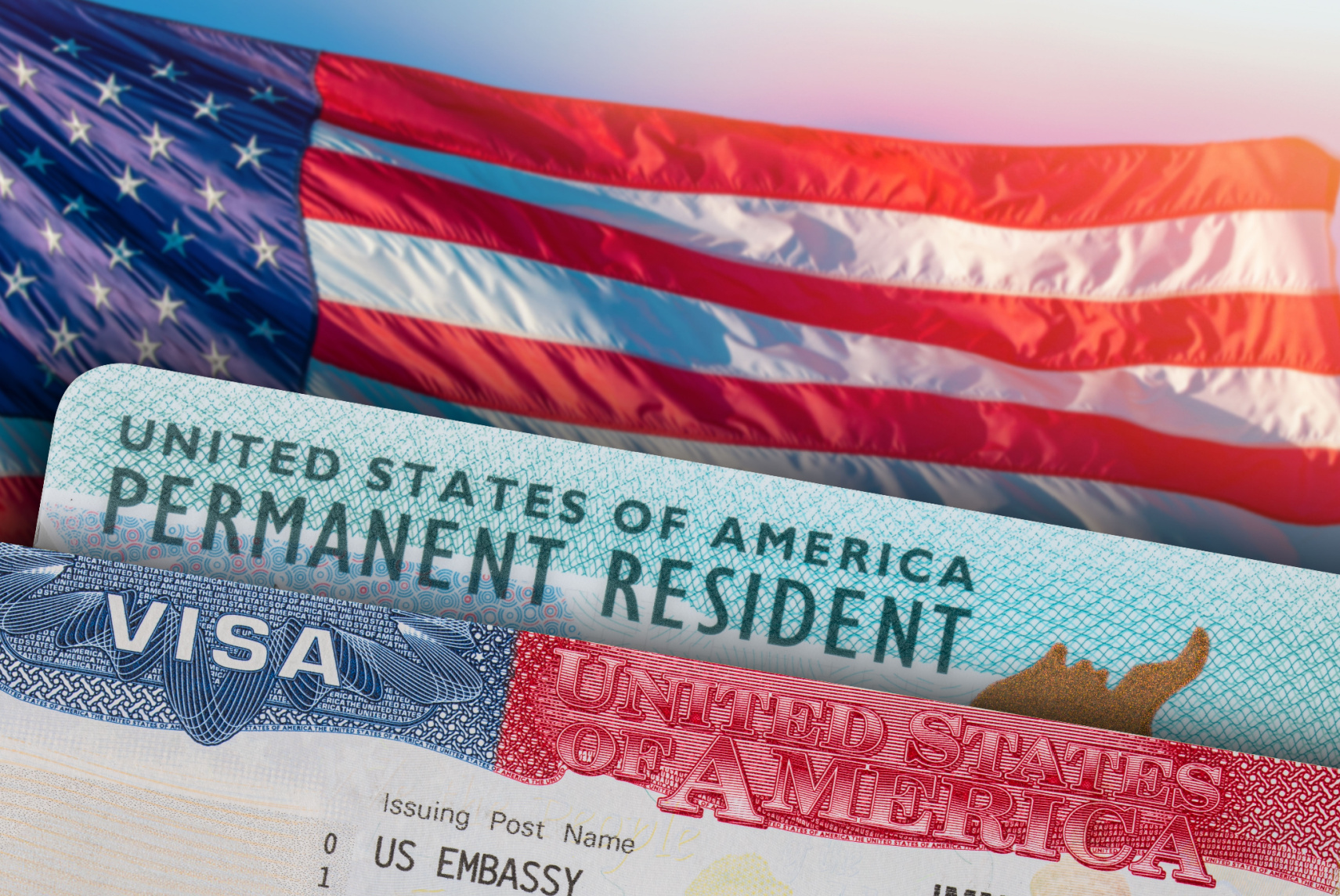
Learn about new U.S. visa pathways for foreigners in 2026, including work, study, and immigration options. Stay updated and apply with confidence.
Introduction
Are you planning to move to the United States in 2026? Understanding the new U.S. visa pathways for foreigners in 2026 is more important than ever. With evolving immigration policies, changing visa processes, and updates to work and study options, foreigners need clear, up‑to‑date guidance to navigate U.S. immigration successfully.
In this guide, we break down the latest U.S. immigration options for foreigners 2026, including employment routes, study visas, investment programs, diversity opportunities, and key policy shifts affecting how to apply for U.S. visas as a foreigner in 2026. Whether your goal is to work, study, invest, or eventually settle permanently, this article gives a complete picture of the major pathways available and practical steps to pursue them.
We’ll cover eligibility, application tips, pros and cons, and how recent changes could impact your plans. Let’s dive into the newest opportunities and what you need to know to make them work for you.
Overview of U.S. Visa Pathways in 2026
The United States offers a wide range of visa categories for different purposes. While traditional pathways remain, several new and evolving options have emerged or gained prominence as of 2026.
Major Visa Categories
-
Employment‑based visas
-
Study visas
-
Investment and entrepreneur visas
-
Family and diversity visas
-
Special programs and policy changes
Each pathway has different requirements, benefits, and timelines. Understanding them helps you pick the best route for your goals.
Employment-Based Visas: Work and Skills
Work visas remain one of the most sought‑after entry routes for foreigners.
H‑1B and Work Visas
The H‑1B visa, for specialty occupations, has undergone rule changes in 2026 aimed at prioritizing higher‑paid and highly skilled applicants. Rather than a random lottery, the selection process now weights skills and wages to better match employer needs.
Other Work Options
-
L‑1 (Intra‑company transfers)
-
O‑1 (Extraordinary ability)
-
TN visa (for Canadian and Mexican citizens under USMCA)
👉 See TN visa overview for eligibility and details.
These visas are especially relevant to new work visas in the USA for international applicants looking to live and work legally.
Study Visas and Educational Pathways
Study remains a core reason foreigners seek U.S. visas. The most common student visas include:
F‑1 and M‑1 Visas
-
F‑1: For academic studies at U.S. colleges and universities
-
M‑1: For vocational or non‑academic programs
J‑1 Exchange Visitor Visa
This category supports cultural exchange and includes opportunities like research, teaching, and internships.
These study visas for the USA 2026 still require acceptance by a U.S. school, proof of financial support, and, in many cases, an in‑person interview. Changes in interview rules now require most applicants to attend consular interviews in their home country, tightening procedures compared with prior years.
Investment and Entrepreneurial Visas
For business‑minded foreigners, investment routes can lead to residency.
EB‑5 Investor Visa
The EB‑5 program awards green cards to foreigners who invest a minimum amount (typically $800,000–$1.05 million) and create at least 10 U.S. jobs.
New Wealth‑Based Proposals
Emerging proposals like fast‑track residency via large donations (sometimes termed “Gold Card” programs) have been discussed in immigration policy circles, aiming to provide alternative routes to permanent residence for affluent foreigners.
While not formal law yet, these ideas signal possible expansion of USA visa programs for foreign workers 2026 through economic contributions.
Diversity Visa and Special Immigration Paths
Diversity Visa (DV) Lottery
The DV Lottery program offers random green cards to applicants from under‑represented countries. This remains a low‑cost chance for permanent residence entry, though demand is high.
Family‑Sponsored Immigration
Family reunification visas allow U.S. citizens and lawful permanent residents to sponsor relatives. This pathway is separate from employment and remains significant for many applicants.
Policy Challenges
Some immigrant visa processing has been paused for nationals of certain countries in early 2026, affecting permanent residency routes for those applicants.
How to Apply for U.S. Visas as a Foreigner in 2026
Navigating U.S. visa procedures requires accurate preparation.
General Steps
-
Determine your visa category based on purpose (work, study, family, investment).
-
Gather documentation, such as passports, financial records, job offers, or school letters.
-
Complete the relevant applications (e.g., DS‑160 for nonimmigrant visas, I‑129 for work petitions).
-
Attend visa interviews at U.S. consulates or embassies. Recent rules require interviews for most categories.
-
Wait for approval and visa issuance.
Tips for Applicants
-
Apply early to manage processing times.
-
Use official U.S. government sites for forms: https://travel.state.gov and https://www.uscis.gov.
-
Consider expert help (immigration lawyers) for complex cases.
Comparison Table: Major Visa Pathways
| Visa Type | Purpose | Typical Eligibility | Notes |
|---|---|---|---|
| H‑1B | Work | Job offer in specialty occupation | New selection rules favor higher‑paid roles |
| F‑1/M‑1 | Study | Acceptance into U.S. school | Interview likely required |
| EB‑5 | Investment/Residency | Meets investment and job creation | Leads to green card |
| DV Lottery | Permanent Residence | Random selection | Applicants from eligible countries |
| Family | Family Reunification | Sponsored by relative | Varies by preference category |
Frequently Asked Questions (FAQ)
1. What are the main new U.S. visa pathways for foreigners in 2026?
The main new U.S. visa pathways for foreigners in 2026 reflect updates to both traditional visa categories and newly emphasized programs aimed at meeting workforce, education, and economic needs. These pathways include:
-
Employment-Based Work Visas
-
Updated H‑1B visa rules prioritize higher-paid and highly skilled applicants, with a lottery system weighted toward qualifications and wages.
-
Other work visas include L‑1 (intra-company transfers), O‑1 (extraordinary ability), and TN visas for Canadian and Mexican citizens under USMCA. These routes are ideal for professionals seeking legal work in the U.S.
-
-
Study Visas
-
F‑1 visas for academic programs and M‑1 visas for vocational studies.
-
J‑1 exchange visitor visas for research, internships, and cultural exchange. New interview procedures now require applicants to apply in their home country consulate.
-
-
Investment and Entrepreneur Visas
-
The EB‑5 investor visa provides green cards for qualified investors who create U.S. jobs.
-
Emerging proposals for fast-track residency based on large economic contributions could expand opportunities for wealthy foreign investors.
-
-
Diversity Visa (DV) Lottery
-
Continues to offer permanent residence through a random selection for applicants from underrepresented countries.
-
-
Family-Sponsored Visas
-
U.S. citizens and permanent residents can sponsor spouses, children, and other eligible relatives.
-
These pathways collectively provide multiple opportunities for work, study, investment, and permanent residence in the U.S. for foreign nationals in 2026.
2. Are study visas changing in 2026?
Yes — study visas are changing in 2026, and applicants should be prepared for stricter procedures and reduced flexibility compared to past years. One of the biggest changes is how U.S. consulates handle visa interviews for F‑1, M‑1, and J‑1 categories, which are the main study visas for students and exchange visitors. Effective from September 2, 2025, the U.S. Department of State ended most of the expanded interview waiver options that had been available during the pandemic. As a result, most international student applicants now must attend an in‑person consular interview, even for renewals — a shift from previous policies that allowed many students to skip interviews under certain conditions.
This policy change affects both first‑time and renewal applicants and means longer processing times, increased appointment wait times, and a greater emphasis on direct review by consular officers. While some limited interview waiver categories still exist (e.g., specific diplomatic visas), students should plan for interviews as part of the standard application process.
3. What is the EB‑5 visa?
The EB‑5 visa is a U.S. immigrant visa program that allows foreign investors to obtain a green card (permanent residence) by making a qualifying investment in the United States. To be eligible, applicants must invest a minimum of $800,000 in a targeted employment area (TEA) or $1.05 million in other areas. The investment must also create or preserve at least 10 full-time jobs for U.S. workers within two years of the investor’s admission.
The EB‑5 program is particularly attractive for entrepreneurs and high-net-worth individuals who want a pathway to permanent residence without relying on employment or family sponsorship. Investors can manage their own business or participate in Regional Center projects, which are pre-approved development projects that help meet job creation requirements.
Once approved, EB‑5 visa holders and their eligible family members (spouse and children under 21) can live, work, and study in the U.S., with the option to apply for citizenship after five years of permanent residency.
4. How do policy pauses affect immigrant visas?
Policy pauses can significantly affect immigrant visas, creating delays and uncertainty for foreign nationals planning to move to the U.S. These pauses occur when the U.S. government temporarily halts visa processing for specific categories or applicants from certain countries. In early 2026, for example, immigrant visas for nationals of 75 countries were paused due to administrative reviews, security checks, and updates to eligibility rules. (Washington Post)
The main effects of these pauses include:
-
Delays in visa issuance – Applications already submitted may remain pending for months, affecting employment, education, or family reunification plans.
-
Extended processing times – Even after a pause is lifted, backlogs can lead to slower scheduling of interviews and issuance of visas.
-
Uncertainty for applicants – Applicants cannot plan relocation, travel, or employment without knowing when visas will be approved.
-
Impact on dependent visas – Family members applying alongside the principal applicant may also face delays.
Policy pauses are often temporary but can have cascading effects on immigration timelines. Applicants are advised to monitor official announcements, maintain documentation, and consult immigration experts to navigate these interruptions effectively.
Conclusion
Understanding new U.S. visa pathways for foreigners in 2026 helps you plan smarter, apply accurately, and increase your chances of success. From employment and study visas to investment and diversity programs, multiple routes exist—but each has unique requirements and timelines. Staying informed about policy shifts, documentation standards, and procedural updates is key.
👉 Start your application early, prepare carefully, and stay up to date with official guidance. If you found this guide helpful, share it with someone planning their U.S. journey in 2026.